How to organise a food festival: a step-by-step plan and practical tips
Thinking about putting on a food festival but not sure where to begin? You're in good company. A food festival has a lot of moving parts — traders, permits, power, payments and hungry crowds all arriving at once — but a clear step-by-step plan makes the whole thing manageable. Here's how to organise a food festival from first idea to final service, and what to sort out at each stage.
Tip 1: Decide on your concept and who it's for
A food festival needs a hook. Are you running a late-night street-food market, a regional producers' fair, a beer-and-food weekend, or a family day out with activities for the kids? Your concept shapes everything that follows: the traders you approach, the site you need, what you charge and how you promote it. Pin it down before anything else.
Example: A street-food night aimed at a younger crowd needs a central, easy-to-reach site, strong social media and fast payment at every stand. A daytime producers' fair for families needs space, seating and parking.
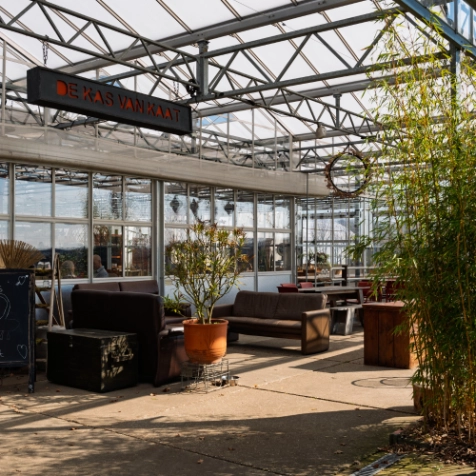
Tip 2: Sort your permits, licences and food hygiene early
This is where food festivals differ most from a general event, and it's the part that catches people out. Depending on where you are, you may need a licence for the event itself, permission to sell alcohol, and sign-off from environmental health. Every trader should be registered as a food business and carry a solid food hygiene rating. Allergen information, safe waste disposal and gas safety for cooking equipment all need to be in hand before you open. Start this months ahead, because approvals take time.
Example: Make it a condition of booking that each vendor sends their food hygiene certificate, allergen list and public liability insurance in advance, and keep copies on file for the day.

Tip 3: Curate and coordinate your vendors
The line-up is the festival. Aim for a mix that doesn't overlap too much — you don't want five burger stands and nowhere to get a coffee or a dessert. Agree pitch fees, arrival and setup times, and what each trader needs from you: power load, water, room for a gazebo, waste collection. Clear coordination here is what stops the morning of the event descending into chaos.
Example: A few weeks out, send every trader a short pack with their pitch number, setup window, the power available (say, one 16A socket) and a name and number to call on the day.

Tip 4: Design a site layout that handles footfall peaks
Food festivals don't fill up evenly — everyone wants to eat at the same time. Spread your most popular traders around the site so their queues don't collide, keep walkways wide, and give people somewhere to stand and eat. Put bins and water points where they'll actually be used. Plan the flow around your busiest hour, not the quiet ones.
Example: Place your two biggest draws at opposite ends of the site rather than side by side, so the lunchtime rush spreads out instead of jamming one corner.
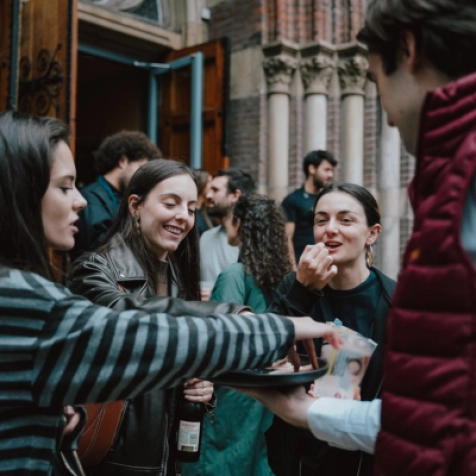
Tip 5: Make paying fast — go cashless and keep queues moving
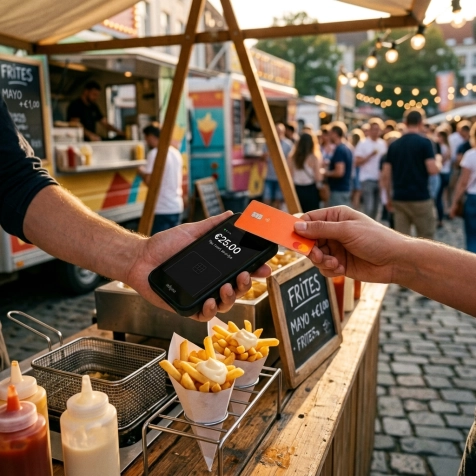
At a food festival, the queue is the enemy. When people are hungry and it's busy, slow payment costs traders sales and leaves visitors frustrated. Going cashless, with a card machine or Tap to Pay at every stand, keeps things moving — guests tap and go, staff take the next order, and nobody's hunting for change. Make sure each stand can take contactless payments quickly, and ideally run more than one payment point at peak times.
Example: During the dinner rush, a stand with two card machines and a quick Tap to Pay setup can serve far more people than one taking cash and counting coins.
Tip 6: Set a realistic budget with room for the unexpected
Add up your costs early: site hire, staff, security, insurance, marketing, waste, toilets and power. Set your pitch fees and any ticket price against them so you know where break-even sits. Then leave a contingency, because something always comes up — the classic being the weather. A wet forecast can dent footfall, so a buffer keeps you covered.
Example: If your pitch fee is €150,00 per trader and you have room for 20 stands, that's €3.000,00 in trader income before a single ticket is sold — a useful figure to map against your fixed costs, with a contingency line kept aside for last-minute extras.
How unTill keeps your food festival running
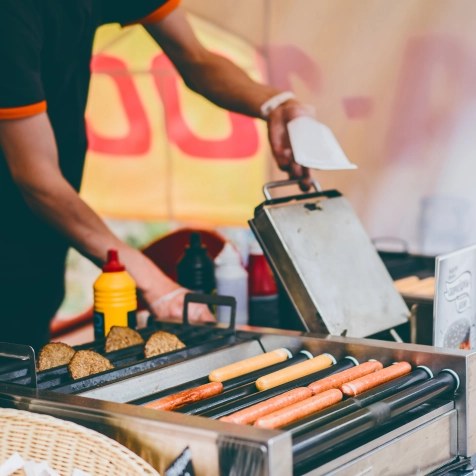
When the site is busy and every stand is taking orders at once, the technology behind the scenes decides how smoothly the day goes. unTill Air is a mobile POS that runs on a smartphone or tablet, so traders can take orders and card payments right where the queue forms — no fixed till, no bottleneck. From a single street-food stand to a full weekend festival, it's built to keep service fast when footfall peaks.